The Blocks
Why subcontractors lose bids before they even submit them
A subcontractor's biggest problem isn't winning bids. It's getting enough bids out the door in time, accurately, professionally — without owning the tools that the GC across the table already has.
A small electrical sub gets an invitation to bid. The GC has sent over a beautiful web form — scope is clearly laid out, drawings attached, every line item already broken out by category. The form even has dropdowns for assumptions. "Just fill in your prices and submit," the email says.
Sounds easy. Three hours, maybe? It's not.
Filling in "just the prices" means:
- Reading 40 pages of drawings to understand what's actually being asked for
- Calling three suppliers to get current material pricing
- Pulling out the same Excel template you've used for two years to do the math
- Double-checking labor rates and crew hours
- Writing internal notes for the team who'll actually do the work
- Reformatting the proposal so it looks professional
- Sending three followup emails because one of the line items was ambiguous and you had to ask the GC's PM about it
By the time the price is "just filled in," three days have gone by. Meanwhile you owe two other bids by Friday.
This article is about why that's the normal state of subcontractor bidding, what it costs, and why the "use the GC's portal" solution isn't actually a solution.
What digitalization actually looks like for most subs
When you read industry coverage of construction software, you'd think every contractor in America is running an integrated platform with AI takeoffs and cloud collaboration.
The reality for most subcontractors:
- Excel for estimates — the same template, copied job to job, find-and-replaced
- Word for proposals — usually based on a template someone made in 2017
- Phone calls and emails for everything between
- PDFs living in download folders and email threads
- Outsourced estimators when the math gets too complex or there's no time
If you're a 5-person electrical sub, you don't have a dedicated estimating team. The person who runs the company is also the person who bids the work and often the person who supervises the crew. There's no time to learn a heavy platform between jobs, and there's no budget to pay for enterprise software just to be able to bid one of every twenty projects you go after.
The volume problem nobody mentions
A sub doesn't bid one job and wait to hear back. To win one, you usually have to be active on five to ten at the same time.
Each bid has its own:
- Scope to understand
- Plans to study
- Vendor pricing to refresh
- Internal cost rates to apply
- Proposal to assemble and send
- Followup questions to handle
If a single bid takes days instead of hours, the math is bad. You can't keep up with the volume, so you bid fewer jobs. Bidding fewer means you win fewer. Winning fewer means you have less revenue to invest in better tools, which keeps the cycle in place.
The reason large GCs and enterprise subs win disproportionate work isn't that they're better contractors. It's that they can put together a clean, accurate, branded proposal in hours instead of days.
The "borrowed software" trap
There's a workaround a lot of subs end up in. The GC runs on a real enterprise construction platform — and as part of the project setup, they create an account for the sub to use. Suddenly the sub has access to drawings, takeoffs, document management, even bidding tools.
This works during the project. The sub starts to feel like a modern construction business.
Then the project ends. The account gets revoked. The sub goes back to Excel and Word for their next bid — and worse, now they know what good software feels like, but they don't own it.
You can't build a business on borrowed tools. The capability disappears when the relationship does.
What the web bid form actually requires
The "just fill in prices" web form is its own version of the borrowed-tools trap. The GC has done the hard part — scoping, drawings, line items — inside their system. The sub doesn't get access to any of that infrastructure. They just get the form.
Filling in the prices accurately still requires:
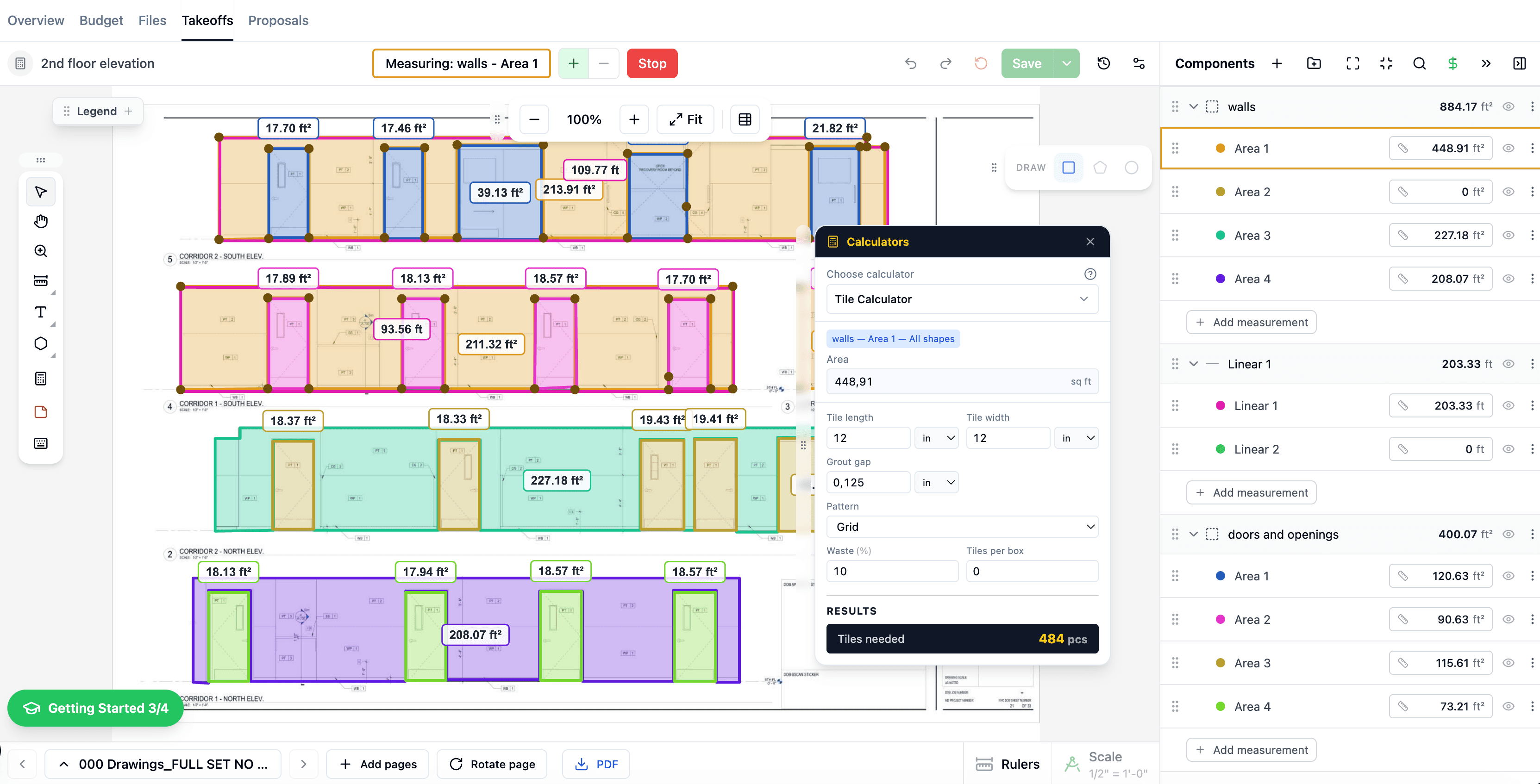
- A way to do material takeoffs (which the sub has to do separately, on their side)
- A way to apply current vendor pricing
- A way to apply the sub's own labor rates and overhead
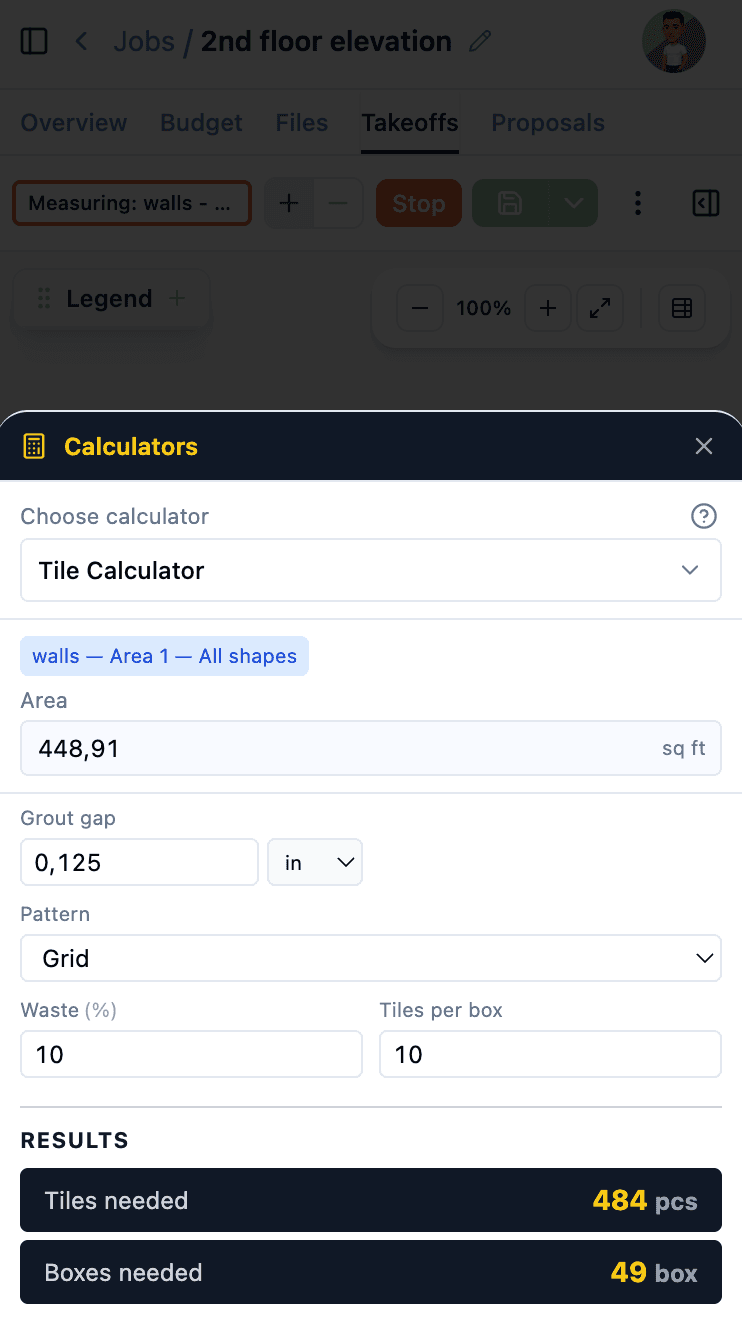
- A way to factor in waste, sequencing, complexity, risk
- A way to produce internal pricing for the team running the job, not just the line item the GC sees
In other words: a real estimating workflow. The web form just hides the part of the work the GC didn't want to deal with. The work is still on the sub. They just don't have tools for it.
The cost of staying in the cycle
Subs who can't bid fast and accurately lose three ways:
- They bid fewer jobs. Can't keep up with the parallelism, so the pipeline thins.
- They make mistakes under time pressure. Numbers off by a percentage, scope misread, omitted line item. Either you lose money on the job, or you lose the bid for being too high.
- The proposal looks unprofessional. Word doc with inconsistent formatting, no logo, last-minute edits. Larger competitors deliver a branded PDF with all the right sections. Guess who the GC picks.
Multiply this across a year and the gap between "real estimating workflow" and "Excel + Word + phone" is the gap between a profitable shop and one that's always 30 days from the wrong job.
What an SMB-shaped solution actually looks like
The same things enterprise estimating platforms do — takeoffs, line-item pricing, branded proposals, document management — but:
- Owned by the sub, not the GC. Your tools, your account, your data. Doesn't disappear when the project ends.
- Mobile and cloud. No desktop install. Works from a job site, an airport, the kitchen table.
- Fast to bid. A new bid shouldn't require half a day of setup before you can do the actual work.
- Connected. Takeoff feeds the estimate. The estimate becomes the proposal. The proposal carries the sub's branding instead of the GC's. Re-typing, re-formatting, and version chaos all disappear.
- Persistent across projects. When a job ends, your estimating data, customer history, and bid templates stay yours. Next bid starts with the work you already did, not from scratch.
- Priced for a 5-person firm. Not a 500-person one.
This is roughly the shape of what we built. We didn't invent any of these ideas — large GCs have had this stack for years. We just made the same shape available to the people on the other side of the bid.
The bigger point
The reason most subcontractors are still on Excel and Word in 2026 isn't that they don't want better tools. It's that nobody built the same tools at their scale.
Borrowed software ends when the project does. Web forms just shift the work onto the sub without giving them tools to do it. Outsourcing eats margin for months while the bid sits in someone else's queue. None of these are real answers — they're workarounds for the absence of small-business-grade tools.
The subs who figure out how to own their bidding workflow stop losing the bids they should have won. The ones who don't keep losing them — not because of the work they could do, but because of how long it took them to even respond.